A good shed-removal plan documents the structure, access, connections, contents and material risks before scheduling. The exact details below help turn a rough request into a useful scope.
The load begins with material identification
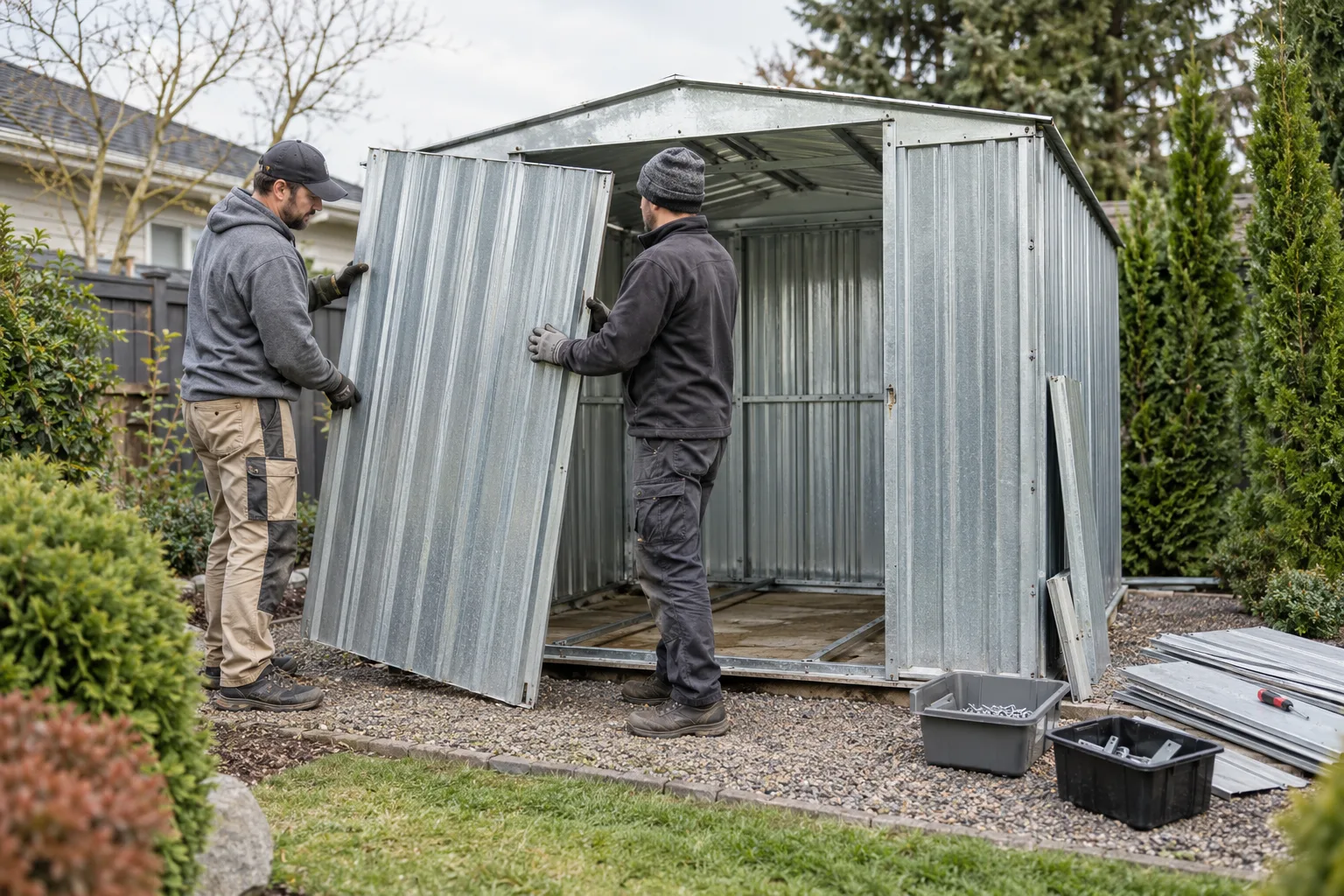
A typical shed can combine framing lumber, sheet metal, roofing, windows, plastic, fasteners and a floor system. The final route depends on what the material is and what the receiving facility accepts.
Clean material is different from coated material
King County distinguishes clean untreated wood from painted or treated products, and it lists metal among readily recyclable construction materials in its service area. Edmonds is in Snohomish County, so the actual destination and rules must match the job address and hauler.
Suspect material leaves the ordinary stream
Asbestos-containing material and household hazardous waste require specific handling. A removal estimate should exclude unverified hazardous materials until the correct testing and disposal path is known.
Ask for a practical disposal explanation
A provider should be able to describe how the material mix affects the estimate without promising that every component will be recycled. Facility acceptance can change with contamination, size and condition.
Save this checklist
Details to collect
- Clean untreated wood
- Painted or treated wood
- Sheet and structural metal
- Roofing and siding
- Glass and plastic
- Suspect or hazardous material
Sources and local checks
For current rules, see the City of Edmonds permit process, Washington L&I asbestos guidance, and the receiving facility that will handle the actual load.
Related service
Metal Shed Removal
Disassembly and hauling for corrugated and modular metal storage sheds.
See service details